Lucy Sparrow's U.S. Museum Debut at Crystal Bridges Explores 1980s Supermarkets
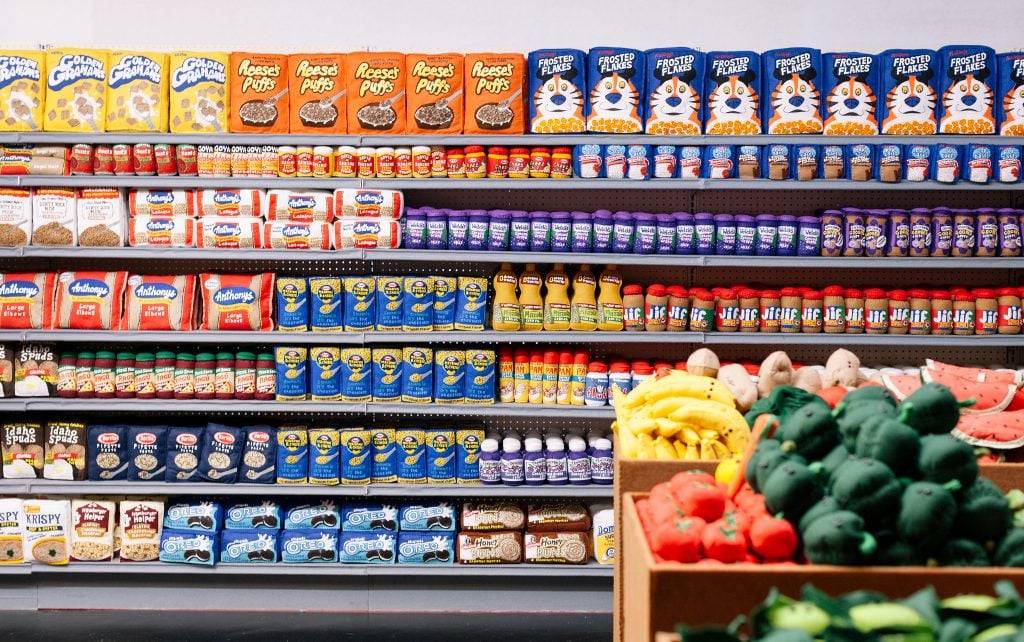
British artist Lucy Sparrow is bringing her world of soft sculpture to a U.S. museum for the first time. In summer 2026, the Momentary — the contemporary art satellite of Crystal Bridges Museum of American Art in Bentonville, Arkansas — will open Lucy Sparrow: The Beginning of Convenience, a yearlong installation transforming the space into an immersive supermarket environment. The exhibition is scheduled to run through July 11, 2027, marking Sparrow’s official U.S. museum debut.

Conceived as a time capsule of late-20th-century consumer culture, The Beginning of Convenience recreates a familiar American grocery store from the 1980s and early 1990s. Visitors will wander through aisles, shelves and checkout counters filled not with real goods, but with more than 20,000 hand-sewn felt items: packaged foods, frozen dinners, household cleaners, cosmetics and other everyday products. Each object, from cereal box to soda can, is rendered in Sparrow’s signature bright, tactile style, blurring the line between pop spectacle and sculptural detail.
At the Momentary, the exhibition is framed as an exploration of the rise of “convenience culture” — a period when the growth of dual-income households and changing work patterns in the United States fueled demand for faster, easier food and household solutions. Sparrow recasts this social and economic shift in fabric and thread, inviting visitors to literally walk through an environment built from the icons of mass consumption. The soft, slightly humorous replicas carry an undercurrent of ambivalence: they are at once affectionate, nostalgic and quietly critical.
The project extends a trajectory that has made Sparrow widely known for her immersive retail-style installations, from Cornershop in London to SparrowMart and other pop-up “stores” built entirely from felt. With The Beginning of Convenience, she scales up both in ambition and in institutional context, aligning her work with broader conversations at Crystal Bridges and the Momentary about everyday objects, American identity and how consumer goods shape cultural memory.
By situating a felt supermarket inside a contemporary art space, the exhibition invites audiences to reconsider what belongs in a museum. In Sparrow’s hands, the most ordinary products of the checkout line become carriers of history, emotion and social commentary — reminders that the story of late-20th-century America can be told just as powerfully through frozen dinners and discount snacks as through monuments and official archives.